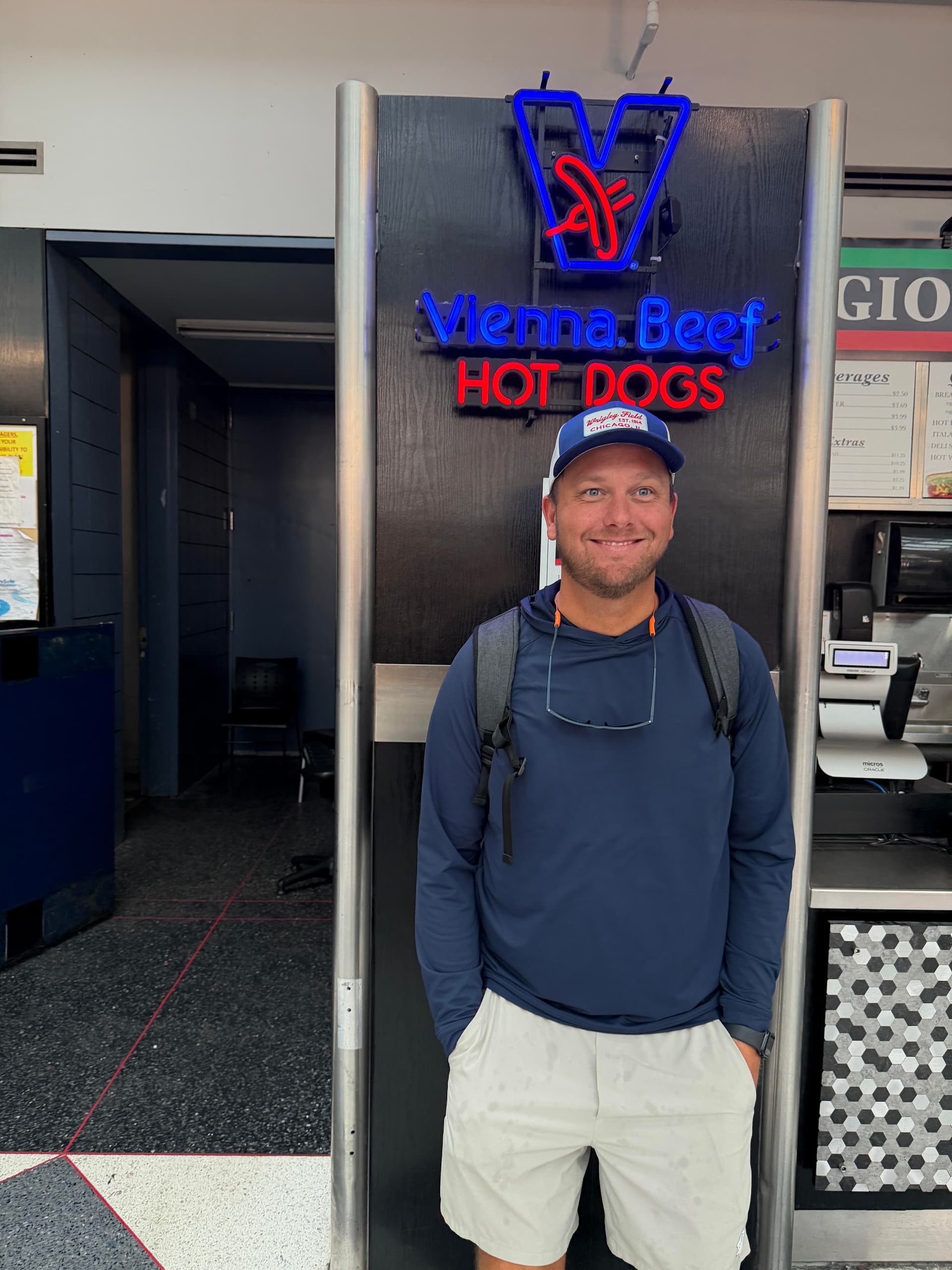
I’ll come out and walk it with you.
It starts with a field assessment, not a sales pitch. We pull cores, look at the turf together, and get clear on what your operation is dealing with before we recommend a thing.
MidWest Turf Support helps golf courses, athletic fields, and professional grounds operations across Iowa, Nebraska, and northwest Illinois build smarter turf plans with soil data and field-first support.
Before we recommend a single product, we come out and walk it with you. We pull cores, run the diagnostics, and build the season around what the data says, not what a catalog suggests. When every dollar has to earn its place, that’s the kind of help you need.
Ana-Lync soil diagnostics
Floratine · Ceres · TurfMend · RightLine
Field-led coverage across IA · NE · NW IL
Get on the property, read the soil correctly, then stay close enough to adjust the plan when the season turns.
It starts with a field assessment, not a sales pitch. We pull cores, look at the turf together, and get clear on what your operation is dealing with before we recommend a thing.
Ana-Lync benchmarks your soil against 30,000+ regional profiles so we can show what needs attention, what can wait, and what should probably come out.
The plan doesn’t end with a report. We stay on the phone, stay on the ground, and adjust when summer stress, budget pressure, or field conditions start changing the job.
Standard soil tests give you numbers. Ana-Lync gives you context. The point isn’t to sound technical. The point is to know what to keep, what to cut, and why.
Your results are benchmarked against regional profiles, so the recommendations match the soils and conditions you actually manage.
When a line item is not pulling its weight, we can show it. That makes the plan easier to explain to a board, owner, or facilities team.
The data sets the direction, but we still adjust to heat, stress, and what the turf is doing in real time.
Start with the symptom or the season plan. Tom organizes the turf context, facility details, and pressure points so the next step is easier to read.
See something on your greens, fairways, or fields that doesn’t look right? Upload a photo and Tom will give you a preliminary read, possible identification, likely causes, and a recommended next step.
Prefer to skip the tool? Start directly with a field conversation.
Tell us what you manage, what the season is asking for, and where the pressure points are. Tom will organize that into a 12-month starting outline you can review right away.
This is a starting framework. The next step is a field-informed review when you want to tighten it up.
We don’t build the season around whatever needs to move this month. The lines below stay in the mix because they earn a place when the data, timing, and pressure on the property all line up.
View ProductsFoliar, soil, and specialty products selected to support the plan without padding it.
View ProductsSoil-building inputs and technical resources for programs that need stronger biological support.
View ProductsRepair-the-bare recovery products for bent surfaces when stress, wear, or damage need a fast answer.
View ProductsFungicide, growth-regulator, and support products that belong in the program only when conditions justify them.
View ProductsPricing, mistakes, comparisons, product guidance, and a clear look at how the relationship works. Start with the question most likely to move the next decision.
Real ranges by facility type, what drives the total, and where the waste usually hides.
Read the guideWhat shows up on field visits again and again, and what each mistake costs in turf quality and money.
Read the guideAn honest comparison, including the cases where you may not need us.
Read the guideWhat works, when to use it, and where generics are completely fine.
Read the guideFrom first call to in-season follow-through, so there is no mystery about the relationship.
Read the guide“We needed fewer products, clearer reasoning, and somebody who would stay in it once the weather turned. That part mattered as much as the recommendation.”
“The value was not just the soil report. It was having one person to call, one plan to defend, and fewer line items carrying dead weight through the season.”

Real field work, real follow-through, and one contact who stays close to the recommendation once the season gets difficult.
You should know who covers your ground and who picks up the phone before the first call.
Eastern Iowa and NW Illinois
Use this when the fastest next step is a direct call. Leave the facility, the best number, and a short note about what is under pressure.
Use the form when you want the callback without writing a longer note.
If you need somebody who will come out, look at it with you, and back the recommendations up with data, that’s where every good season starts.